Health and Safety Policy for Carpet Cleaners SW8
 Carpet Cleaners SW8 is committed to maintaining a safe, healthy, and responsible working environment for every team member, client, and visitor. This policy sets out the practical standards expected during carpet cleaning operations, from preparation and equipment handling to chemical use and post-cleaning care. Our approach is built on risk awareness, proper training, and a consistent focus on preventing harm while delivering a high-quality service.
We recognise that carpet cleaning involves a variety of potential hazards, including slips, electrical risks, exposure to cleaning agents, manual handling strain, and contact with contaminated materials. For that reason, our health and safety measures are designed to reduce risk at every stage of the job. All operatives are expected to follow safe systems of work, remain alert to changing conditions, and report concerns promptly so issues can be addressed before they cause injury or disruption.
 Safety starts with planning. Before any carpet cleaning task begins, the work area should be assessed for visible hazards such as trailing cables, unstable furniture, wet flooring, poor ventilation, or fragile items. Where necessary, appropriate control measures must be introduced, including warning signs, ventilation adjustments, and restricted access to the cleaned area. By treating each property as a unique environment, carpet cleaning specialists can lower risk and maintain professional standards.
All staff must be trained in the correct use of cleaning machines, extraction units, spot treatment products, and protective equipment. Equipment should be checked before use to confirm that it is clean, in working order, and suitable for the task. Damaged or defective tools must not be used. Regular maintenance and inspection help prevent breakdowns, electrical faults, and performance issues that could create unsafe conditions or reduce the quality of the service.
Personal protective equipment is to be used whenever the task or materials require it. This may include gloves, protective footwear, and eye protection, depending on the cleaning method and product used. Operatives should also be aware of the need to protect themselves from repetitive strain and lifting injuries by using correct posture, team lifting where appropriate, and sensible pacing during heavy or prolonged work. Safe carpet cleaners understand that good technique is just as important as good equipment.
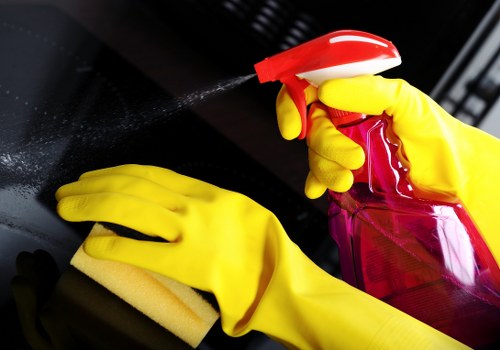 Cleaning chemicals must be selected and handled with care. Products should be stored securely, used according to instructions, and never mixed unless the manufacturer explicitly allows it. Staff must understand the purpose of each product, the risks it may present, and the actions required in case of accidental contact or spill. When working in occupied properties, extra care should be taken to minimise inhalation exposure and ensure surfaces are left safe once cleaning is complete.
Housekeeping standards are a central part of this policy. Work areas should be kept tidy throughout the cleaning process, with hoses, leads, and tools positioned to avoid trip hazards. Spills should be dealt with immediately, and floors should be marked or restricted until they are dry. Furniture moved during the job must be returned carefully, and any damage, instability, or pre-existing weakness should be recorded so it is not mistaken for an incident caused by the cleaning work.
 In situations where carpet cleaning is carried out near electrical points or powered equipment, special attention must be paid to moisture control. Water and electricity must be kept separate wherever possible, and equipment should never be operated with wet hands or in unsafe conditions. If any item appears unsafe, it should be isolated and reported. This cautious approach supports the wider aim of responsible carpet cleaning services that protect both workers and property.
We also expect all staff to maintain good hygiene practices. Hands should be washed after handling chemicals, waste, or contaminated materials, and eating or drinking should not take place in operational areas. Any cut, burn, or skin irritation should be reported early so that appropriate first aid and further controls can be arranged. These simple measures reduce the chance of infection, improve wellbeing, and support consistent service delivery.
Responsibilities and Safe Practice
Management is responsible for providing suitable training, supervision, and resources so that health and safety obligations are met. Employees are responsible for following instructions, using equipment properly, and taking reasonable care of themselves and others. This shared responsibility ensures that carpet cleaning professionals can work confidently while keeping risk under control. Where a new process or unfamiliar product is introduced, the relevant procedure should be explained before work begins.
Risk assessment is an ongoing process rather than a one-time task. If conditions change during the job, operatives should pause, review the situation, and adapt the method as needed. Examples include unexpected moisture retention, restricted ventilation, access difficulties, or vulnerable flooring materials. A flexible but controlled approach helps prevent incidents and supports a safer outcome for every cleaning project.
Emergency response arrangements must be understood by all workers. In the event of a chemical exposure, slip injury, electrical issue, or other incident, the priority is to make the area safe, provide first aid where appropriate, and report the matter through the correct internal process. Learning from incidents is essential, as it allows carpet cleaners to improve standards and prevent recurrence.  This policy will be reviewed regularly to ensure it remains effective, practical, and aligned with safe working requirements.